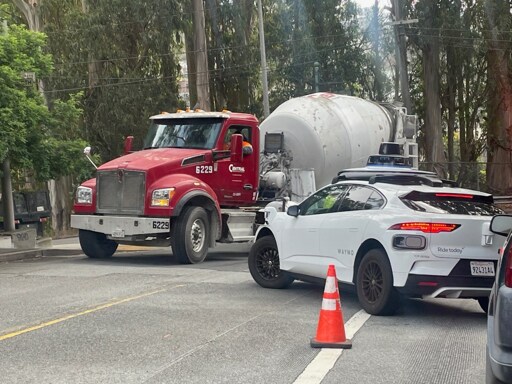
Waymos have blocked roadways and intersections, obstructed fire and police vehicles, driven through emergency-response scenes, and passed stopped school buses.
We all know that fining corps isn’t something that actually works because they just consider it part of their operating cost, so the goal should be to prevent them from operating altogether if their product can’t adhere to traffic laws.
You could say the same thing about human, but that still works.
1: Make the fines big enough to matter, but without making then prohibitively big for small companies.
2: Too many fines result in revoking permission. This doesn’t have to be on company level, the company could group the cars by model or something.
The numbers can be discussed, but this is the framework the legal system is used to, and I don’t see what it wouldn’t work, other than lobbyism.
You could say the same thing about human, but that still works.
Here’s the thing. It demonstrably doesn’t work because we don’t do any of the things you listed. That’s why parking tickets only work on poor people and rich people view them as just the fee to park where ever they want.
Which is exactly what I was alluding to but you seem to want to take it as if I have no earthly idea how to make it better when the point wasn’t about fining them. The point is there’s a better way and it starts with gathering data to use to basically revoke their license to operate their business and their taxis in the state. Because that’s a better outcome altogether than a stupid fine. The money from the fine might enrich the state but it won’t bring back someone’s kid.
I’m not saying they shouldn’t be cited. I’m not saying they shouldn’t face repercussions. I’m not saying they aren’t dangerous or that I think they should be allowed to do whatever they want with no consequences.
I’m saying there’s a difference between what was happening vs what is happening now and I’m acknowledging that this difference isn’t enough but it’s not nothing.


You could say the same thing about human, but that still works.
1: Make the fines big enough to matter, but without making then prohibitively big for small companies.
2: Too many fines result in revoking permission. This doesn’t have to be on company level, the company could group the cars by model or something.
The numbers can be discussed, but this is the framework the legal system is used to, and I don’t see what it wouldn’t work, other than lobbyism.
Here’s the thing. It demonstrably doesn’t work because we don’t do any of the things you listed. That’s why parking tickets only work on poor people and rich people view them as just the fee to park where ever they want.
Which is exactly what I was alluding to but you seem to want to take it as if I have no earthly idea how to make it better when the point wasn’t about fining them. The point is there’s a better way and it starts with gathering data to use to basically revoke their license to operate their business and their taxis in the state. Because that’s a better outcome altogether than a stupid fine. The money from the fine might enrich the state but it won’t bring back someone’s kid.
I’m not saying they shouldn’t be cited. I’m not saying they shouldn’t face repercussions. I’m not saying they aren’t dangerous or that I think they should be allowed to do whatever they want with no consequences.
I’m saying there’s a difference between what was happening vs what is happening now and I’m acknowledging that this difference isn’t enough but it’s not nothing.