

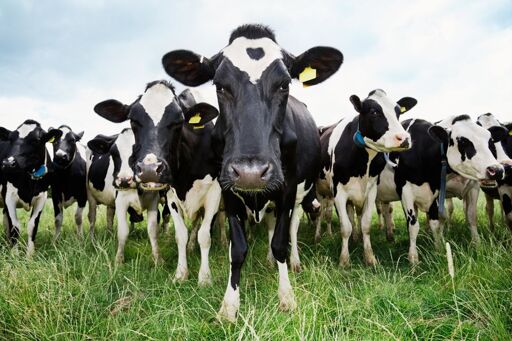
A strain of bird flu known as H5N1 or highly pathogenic avian influenza has made a worrying leap to cattle herds across the US over the past month. This development has sparked “enormous concern” among health experts, including the World Health Organization’s (WHO) chief scientist, who warned of the virus’ “extremely high” mortality rate in humans.
If H5N1 continues to rapidly mutate and makes the jump to human to human transmission in the same way it has with bovine hosts we are in for a rough ride. A virus with a 50% mortality rate will unquestionably collapse the global medical system, and the global economy right behind it.
This comment should be deleted soon
Here you go:
Source: The Guardian
deleted by creator
I dunno about 50%, but Native Americans had a >90% mortality from European disease at the time of the Columbian Exchange, and it messed them up pretty badly.
The Black Death killed maybe 50% of Europe’s population.
https://en.wikipedia.org/wiki/Black_Death
That didn’t end European civilization, but it was a cataclysmic event, left huge scars.
Though they also had shorter supply chains and such, were maybe more-resilient to disruption.
This comment should be deleted soon