

Why wouldn’t you cut America off? detox, cut ties. Prepare nukes etc…
Because they aren’t just going out and buying a new car.
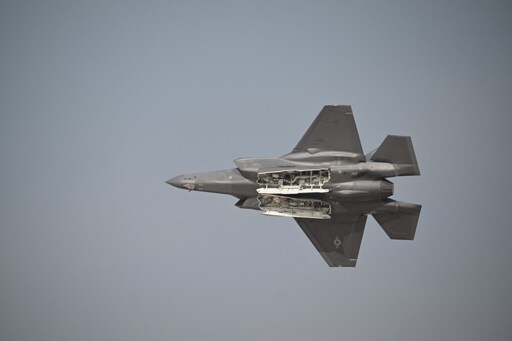
A military changing aircraft means rewriting pilot and maintenance personnel training programs, then retraining everyone, changing logistics chains for a completely different set of spare parts, rewriting tactical plans to match the new aircraft’s capabilities & limitations, changing ordnance availability based on what the new platform can carry… changing the aircraft means thousands of follow-on decisions and costs for all of the support structure and military operations built around the aircraft.
Can Sweden supply the number of aircraft that Canada needs? How many, and over how many years? what about spare parts - can Canada manufacture some within its borders, or purchase them from third-party suppliers, or will it be completely dependent on Sweden to supply them? what guarantees can be given about access to those parts? How quickly can pilots be retrained? Can the same type of missiles be mounted on the Gripen, or will the Canadian military have to select different weapons systems, purchase them, and retrain personnel to use and handle them? are the communication, radar and electronic warfare capabilities on these aircraft comparable? can the Gripen perform all of the same mission types as the F-35, or will other aircraft have to provide capabilities and either support, participate in or take over certain mission types? will it fit in current Canadian hangars, or will new facilities have to be built? can it take off and land on the same airstrips as the F-35, or will some have to be modified, or will it simply not be deployable from all of the same locations?
Finally, is the time, effort, internal chaos, and financial cost of changing aircraft worth it? It will take more than 3 years to accomplish these changes. Is waiting for the US administration to change a lower risk/lower cost option?
