I think there are a few choices in between “giant conglomerate shuts down and destroys 420000 fruit bearing trees” and “random man tries to farm 420000 peach trees unsuccessfully”.
Sure, then the question becomes why haven’t people been doing it since decades? We are being warehoused in WEF-style densified housing, where are you having a garden with a tree?
Oh, **you **have one, but what about the 419999 other dudes?


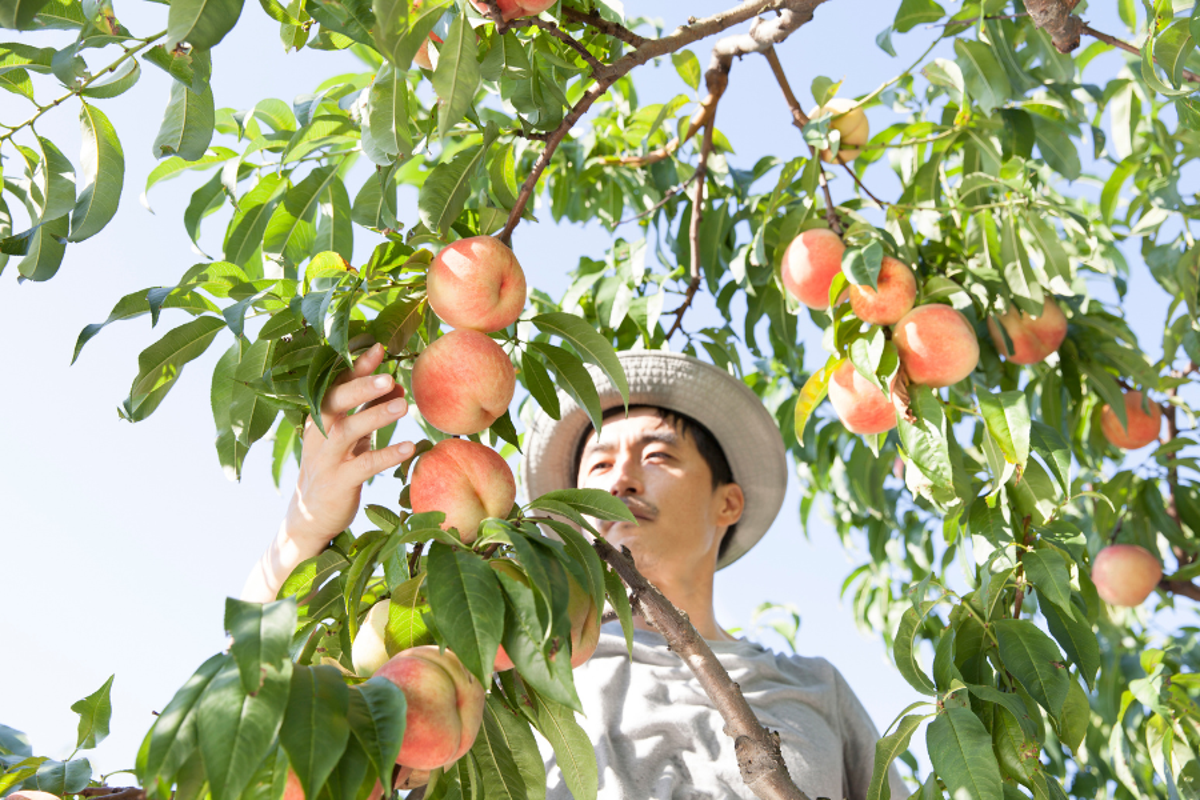
I think there are a few choices in between “giant conglomerate shuts down and destroys 420000 fruit bearing trees” and “random man tries to farm 420000 peach trees unsuccessfully”.
Sure, then the question becomes why haven’t people been doing it since decades? We are being warehoused in WEF-style densified housing, where are you having a garden with a tree?
Oh, **you **have one, but what about the 419999 other dudes?
you realise that if you tell people 420000 peach trees are available for harvesting, everything would be gone in less than week?
The capitalist mind does not understand the concept because there is no profit in it, so i will not blame you if you fail to understand
Idk. Destroying peach trees in the desert makes sense in some ways.
Well, there a lot of places that are populated only because humanity had access to monstrous amounts of energy and power. AKA fossil fuels.
It’s like that map that showed where people moved after electricity and AC was widespread.
Those areas may represent a kind of deficit that gets harder to overcome.
Pretty much. There will be significant changes in our species’ living arrangements in the coming decades.