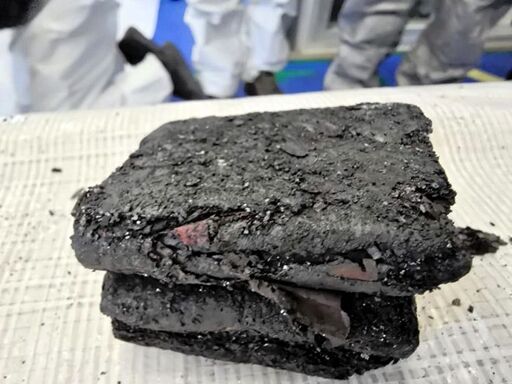
Japan’s transport ministry will limit the number of power banks allowed on flights and effectively ban their onboard use starting in mid-April, a move prompted by a recent series of alarming incidents.
If you’re that worried about it (and don’t have at least a passthrough charging cable), you can just turn your devices off and bring a book. I don’t know why you’d be worried about it killing your devices though, if a plane’s electrical system has failed so badly it’s going to fry things on the USB bus then you’ve got much bigger problems.
Damaged ports with shorted pins, voltage fluctuations, etc.
The passenger electrical system is as isolated from the the rest of the plane as possible, but if the entire thing fails, sure then yeah you’re fucked and have bigger problems
A USB transceiver is required to withstand a continuous short circuit of D+ and/or D- to VBUS, GND, other data line, or the cable shield at the connector, for a minimum of 24 hours without degradation
Shorts aren’t really a concern with decent hardware, but as far as I can tell that’s the problem with the power banks that are failing - they’re not decent hardware, so minor damage attached to a very energetic bag o’ chemistry results in (very occasional) fiery disaster.


If you’re that worried about it (and don’t have at least a passthrough charging cable), you can just turn your devices off and bring a book. I don’t know why you’d be worried about it killing your devices though, if a plane’s electrical system has failed so badly it’s going to fry things on the USB bus then you’ve got much bigger problems.
Damaged ports with shorted pins, voltage fluctuations, etc.
The passenger electrical system is as isolated from the the rest of the plane as possible, but if the entire thing fails, sure then yeah you’re fucked and have bigger problems
Shorts aren’t really a concern with decent hardware, but as far as I can tell that’s the problem with the power banks that are failing - they’re not decent hardware, so minor damage attached to a very energetic bag o’ chemistry results in (very occasional) fiery disaster.
Is that for USB A and USB C? USB PD could be riskier if it shorts VBUS to D+ or D- since it can negotiate up to 12 volts, IIRC